
Verified Workplace Wellness Program ROI Study
Gain insights into Workplace wellness program ROI studies. Learn practical methods, challenges, and long-term benefits from real-world expertise.
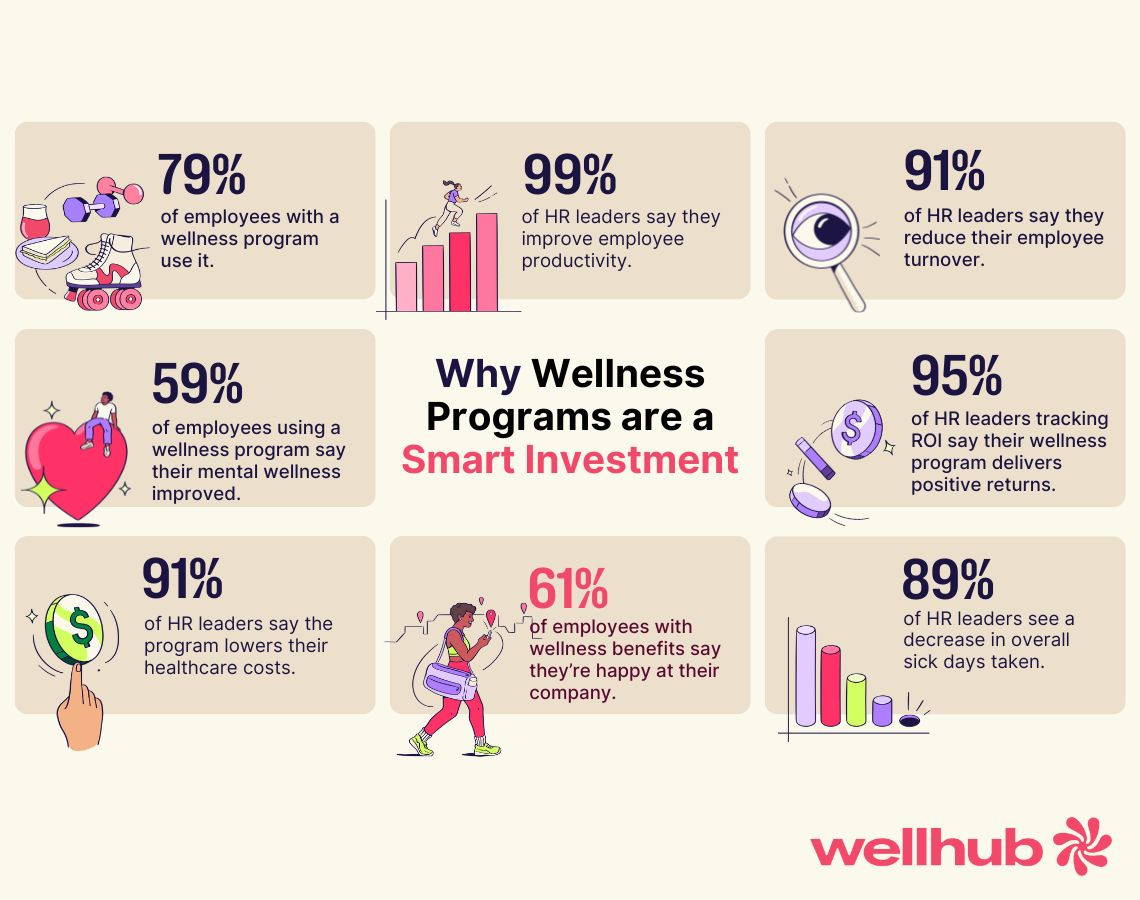
The concept of a Workplace wellness program ROI has evolved significantly over the years, moving from an idealistic HR initiative to a critical business metric. In my experience working with companies across various sectors in the US, the discussion around wellness programs invariably pivots to whether these investments truly pay off. It’s no longer enough to offer gym memberships or stress management workshops; organizations now demand verifiable data proving their value. Understanding and articulating this return is essential for securing budget, maintaining program longevity, and demonstrating tangible impact on the workforce and bottom line.
Key Takeaways
- Workplace wellness program ROI is a measurable business metric, not just an HR ideal.
- Direct benefits include reduced healthcare costs and decreased absenteeism.
- Indirect benefits, such as improved productivity and morale, are harder but crucial to quantify.
- Establishing clear baselines and robust data collection are foundational for accurate ROI calculation.
- Challenges include long payback periods and isolating wellness program impacts from other variables.
- Long-term studies often reveal the most compelling evidence for wellness program efficacy.
- A holistic view, combining financial metrics with qualitative employee feedback, offers the clearest picture.
- Successful programs require leadership buy-in and consistent employee engagement.
Long-Term Impact of Employee Well-being Initiatives
From years in the field, I’ve observed that the most profound impacts of employee well-being initiatives often manifest over an extended period. Many companies expect immediate financial gains, which can be challenging to demonstrate within the first year. Instead, real benefits typically compound. These benefits range from a sustained reduction in health-related costs to a marked improvement in overall organizational culture.
For instance, a consistent investment in mental health support or chronic disease management programs might not show a dramatic healthcare cost drop in twelve months. However, over three to five years, we frequently see lower rates of serious medical conditions, fewer disability claims, and a more resilient workforce. This shift contributes significantly to the long-term health of the business and its people. Understanding this extended timeline is vital for setting realistic expectations and maintaining stakeholder commitment.
Establishing a Baseline for Workplace wellness program ROI
Accurately measuring Workplace wellness program ROI starts with a robust baseline. Before implementing any program, organizations must clearly define their current state. This involves collecting comprehensive data on key metrics such as healthcare utilization costs, absenteeism rates, presenteeism estimates, and employee turnover. Without this initial snapshot, it’s impossible to attribute any changes directly to the wellness program itself.
My work often begins by helping companies gather and analyze this historical data. For example, we might examine two to three years of medical claims data, sick leave records, and employee engagement survey results. This baseline provides a critical point of comparison. As the program progresses, we then track these same metrics, allowing for a direct comparison against the pre-intervention period. This methodical approach is the bedrock for any credible ROI calculation and for understanding where the program makes the most difference.
Measuring Indirect Benefits and Workplace wellness program ROI
While direct cost savings from reduced healthcare expenses are straightforward, measuring indirect benefits is equally crucial for a holistic Workplace wellness program ROI. These indirect benefits include enhanced employee morale, improved productivity, reduced stress, and higher job satisfaction. Quantifying these can be complex but offers a fuller picture of the program’s value. We often employ various methods to capture this.
Surveys can gauge employee sentiment changes regarding stress levels, work-life balance, and perception of employer care. Productivity improvements might be inferred from performance reviews or project completion rates. While direct financial figures for these are difficult, their impact on innovation, collaboration, and overall organizational effectiveness is undeniable. By combining these qualitative and quantitative measures, we can build a compelling case for the broader impact of wellness initiatives, even beyond the easily monetized aspects.
Challenges in Calculating Workplace wellness program ROI
Calculating Workplace wellness program ROI is rarely a simple equation. One of the primary challenges lies in isolating the specific impact of the wellness program from other organizational factors. Changes in the economy, shifts in management, or even new company policies can all influence employee health and productivity metrics. Attributing improvements solely to a wellness initiative requires careful statistical analysis and often, a control group.
Another hurdle is the long payback period. As mentioned, many benefits accrue over several years, making it hard to show immediate financial returns, which budget holders often demand. Additionally, ethical considerations regarding health data privacy can limit the depth of analysis, particularly in smaller organizations. These complexities highlight why a pragmatic, multi-faceted approach to ROI measurement, balancing financial data with qualitative insights, is essential for a credible assessment.

